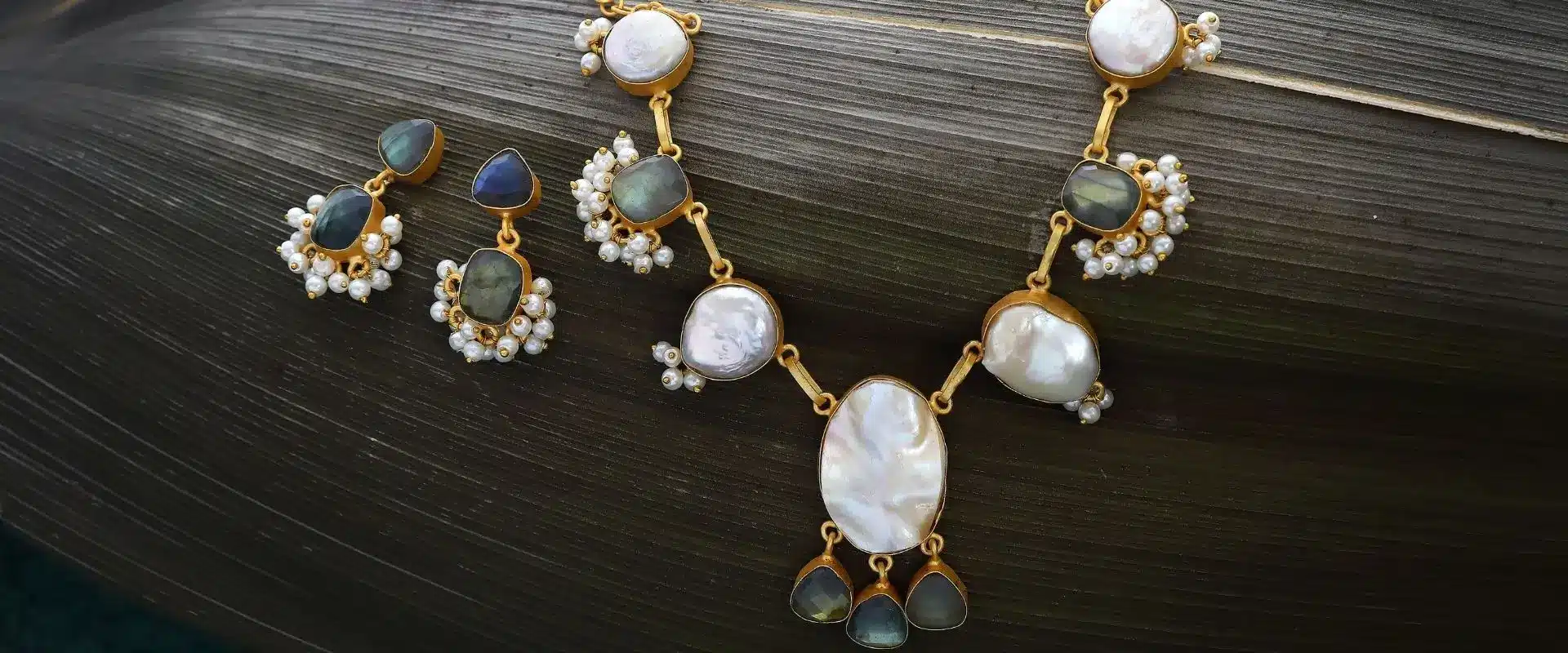
audience resonance centered consumer friendly define gold plated tags?

Examining The Science Behind Jewelry Electroplating
Electrodeposition leverages electric power to attach metallic components onto the accessory surface. The underlying object acts as the negative terminal, while a piece of desired metal layer serves as the charging node. As the current flows, metal ions from the electron donor move to the cathode, where they link to form a thin metal skin on the jewelry's surface.
Metal Ion Coating grants various metal forms that result in unique appearances. Copper remain widely chosen for their radiance, while aluminum is often used to design various appearances. The thickness of the plated layer can be tailored to attain different levels of shine.
Comprehending Carat Metrics
Carat weight is a significant factor in assessing the value of a precious object. It represents the gem's load, traditionally measured in carats, where one carat equals 200 milligrams. A larger carat weight often correlates with a higher price, though other features such as color, clarity, and cut also affect decisively. Learning about carat weight can advise purchasers in making educated decisions when acquiring gemstones. It is essential to remember that carat weight is not the sole basis of value; all factors must be considered for a extensive evaluation.Gold Plating: Beauty on a Budget
Gilded adornments has bewitched devotees for generations. The beauty lies in its glowing luster that emulates the grandeur of authentic gold but at a budget-friendly price. Whether simple strings or attention-grabbing studs, these accessories rapidly augment any outfit and offer a bit of elegance to your image.
- Engineered from metal base with a gold veneer, gold-plated jewelry provides a adaptable option for those seeking affordable golden appeal.
- Although, keep in mind that over time the film could recede due to exposure to moisture, chemicals, and rubbing.
- With correct handling, your gold-plated pieces can continue well, providing joy and style.
Brass and Stainless Steel Comparison
When deciding on a proper metal for your project, resilience is essential. Both brass and stainless steel are commonly preferred metals, each with its unique virtue. Brass, with a classic hue, is admired for plasticity and resistance to deterioration. Conversely, stainless steel is prized for unmatched strength and a sleek modern look.
- Consider your project’s requirements: will it encounter harsh environments? Do you need a metal that withstands heavy wear?
- Impression are also critical. Brass offers a old-world elegance, whereas stainless steel presents a sophisticated design.
- Expense always matters. Brass tends to be inexpensive compared to stainless steel, although final costs depend on the category of metal used.
By systematically examining these criteria, you can select the metal that best fits your project and create an outstanding result.
Brass Jewelry's Radiance: Budget Style
Incorporating retro elegance or artistic spirit to your wardrobe has never been more attainable thanks to metal amulets. Low-cost and easily paired, brass pieces can raise multiple dress styles from casual to chic.
A extensive collection of styles are available, from delicate chains to chunky loops. The radiant tawny hue of brass enhances a wide range of complexions and adds a unique touch to your outfit. Whether you favor understated designs or more elaborate shapes, brass ornaments are waiting to be discovered.
Don't let the economical cost of brass jewelry fool you – these pieces emanate perpetual charm and can be meticulously coordinated for both simple and ceremonial presentations.
Long-lasting Stainless Steel Jewels
Corrosion-resistant jewels has won extensive acclaim in modern years. Its outstanding durability coupled with up-to-date crafts makes it a widely chosen choice among enthusiasts of all demographics and inclinations. Unlike old-fashioned metals, stainless steel is highly guarded versus erosion, ensuring your jewelry appears new for ages. This makes an sensible option for continuous use.Moreover, stainless steel can be fashioned into a ample variety of styles, from restrained pieces to decorated creations. It accepts various surfaces, embracing polished, brushed, and even matte surfaces. This flexibility makes stainless steel jewelry well-matched for any party, whether relaxed or elegant.
Electroplating: Old and New Methods
Historically, jewelers have relied on electroplating to provide ornament and endurance to their creations. Traditional methods like gold immersion are still favored, giving pieces a brilliant sheen. However, the realm of electroplating continuously evolves, adopting modern techniques to create stunning surfaces. Leading-edge methods such as chromium application offer a variety of finishes, from the icy brilliance of white gold to the deep, dark richness of black rhodium. The choice of electroplating technique varies with numerous factors, including metal composition and intended function. Whether a dainty collar or a chunky bracelet, electroplating remains an necessary tool for jewelers to polish their work and captivate discerning buyers with enduring elegance.Coating with Gold: An Art
Auric layering delivers a sophisticated practice to upgrade the presentation of products. This technique involves covering a slight cover of gold onto a body material, forming a radiant, enduring surface. From intricate pieces to elegant interiors, gold plating provides a spark of opulence.
- Gold plating can alter ordinary pieces into prized collectibles.
- Qualified workers use various processes to achieve a perfect gold-plated surface.
- Gold plating is often executed in industries such as fine crafts, where longevity and a polished appearance are essential.
Understanding Carat Weight for Gems
When discussing precious stones, understanding how their load is estimated is vital. This is where the karat comes into play. A carat, often abbreviated as "ct", is the standard reference used to state gem mass. One carat equals 200 milligrams or 0.2 grams.
The source of the word "carat" is originated from the carob seed, a natural grain historically employed as a standard benchmark. The consistency in size and weight of these seeds made them ideal for business and calculation purposes.
- Interestingly, carat weight is not directly related to the volume of a gemstone. For example, a 1-carat emerald can be larger than a 1-carat ruby due to different compaction levels.
- So, it’s vital to remember that carat weight alone doesn’t show gem value. Other factors such as color, clarity, cut, and origin also play significant effects.
Affordable Elegance in Plated Jewels
Layered precious metal pieces has enchanted the fascination of fashion fans around the world due to its combination of polish paired with economy. It gives a way to display eye-catching pieces without costly investments.Generally, plated jewelry features a base metal wrapped in delicate precious coatings. This process boosts the sparkle and durability of the piece, resulting in jewelry that mirrors higher-priced counterparts.The appeal of plated jewelry lies in its range. From refined earrings to statement necklaces, there’s a set for every liking and outing. Whether you seek vintage or current styles, plated jewelry offers a abundance of options.Increasing the appeal is the fashion of mixed metals, where different shades of plating are united for a distinctive and chic appearance.Choosing Metals for Personalized Jewelry
Deciding on jewelry metals crucially determines both aesthetic appeal and resilience. A varied spectrum of metals are available, each with unique traits, price points, and symbolic meanings. From the traditional elegance of gold to the fresh high style of platinum, understanding metal nuances helps find the perfect match for personal style and requirements.Decide whether you prefer a brilliant metal like yellow gold or a muted look with white gold or silver. If longevity is paramount, iridium offer exceptional strength and immunity from dulling. For those seeking a unique cast, rose gold and copper contribute soft shine.Broadly, the best metal for jewelry depends on your individual preferences and lifestyle. Discover does silver tarnish the variety of available options to find the ideal metal that fits aesthetic and persists with wear.