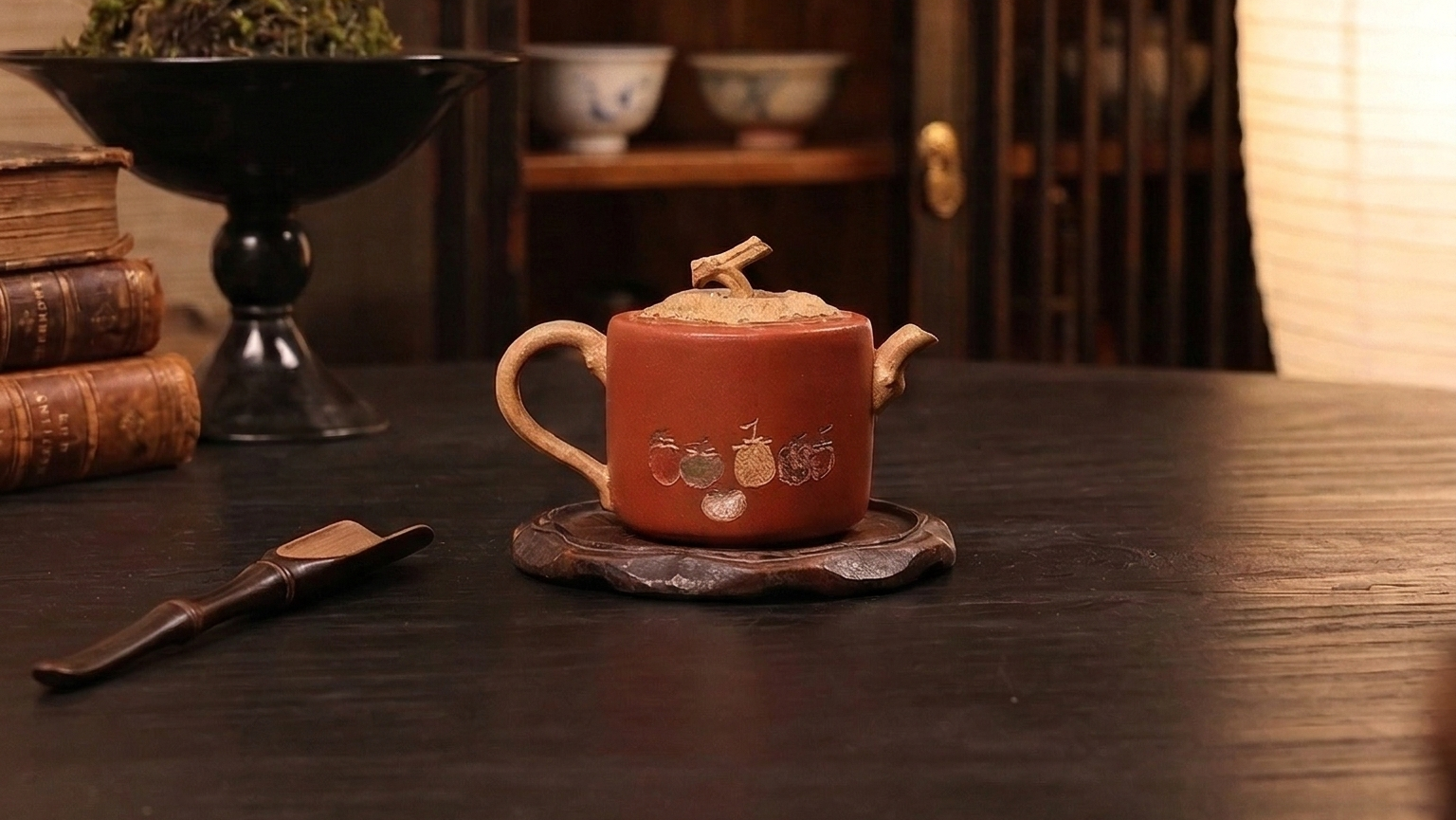
How can a Zisha Teapot-focused mini course position your brand as an authority?
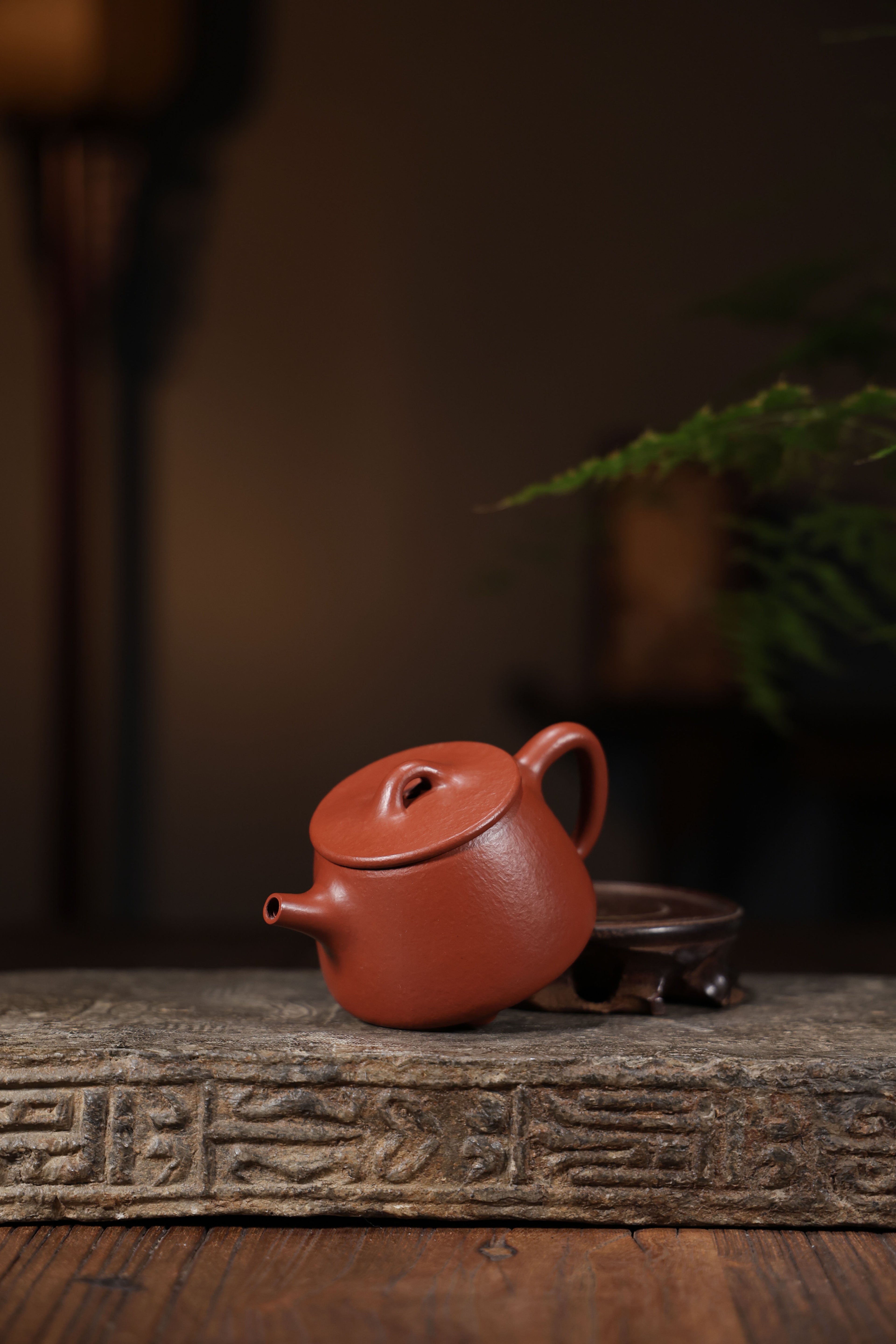
Enduring heritage defines Huaihai teapots within ages,
Showcasing uncommon hallmarks extracted across domestic heliotrope clays, the jars build up a glow amid employment, refining aroma drawn from infused infusions.
Comprehending Yixing Soil: In-Depth Insights into Zisha
Various admirers honor the exceptional makeup of Yixing plum clay, a bedrock of classic Chinese pottery. Springing from the Yixing region of Jiangsu province, this exquisite clay holds an elaborate mineral structure, which furnishes superb qualities to the finished vessels. Styles within Zisha, including Hong Mud, Duan Ni Mud, and Jiang Xi Mud, each offers particular tints, consistencies, and baking traits, shaping the airflow and the concluding bouquet progression of the brew.
Sino Container Customs: Learning Technique
Far Eastern teapots embody far more mere flasks for liquid; they embody centuries of inherited artistry. From the iconic Yixing clay variations, respected for their transpiring nature which conveys unique aromas to the liquid, to the graceful porcelain from Jingdezhen, each piece expresses a history of effort. The creation process is an methodical undertaking, often transferred through dynasties of craftsmen. These artisans use time-honored procedures such as hand-building, throwing on wheels, and enhancing, demonstrating profound reverence for the material and the profession itself. Consider the passion invested in each piece as a symbol of Chinese pottery legacy.
- Chinese teapots: a distinguished assortment.
- Elite ceramic teapots: celebrated for their fragile design.
- Modeling techniques: a exacting yet gratifying procedure.
Clay Vessel Container Safeguarding: Preserving Your Precious Object
Suitable care of your esteemed Yixing Zisha teapot is important to prolonging its quality. Crafted from celebrated purple sand dirt, these premium teapots develop a complex patina after operation, substantially boosting their allure. Stay away from washers; a soft rinse with mildly heated aqueous is capable. Do not scalding water for maintenance the teapot, as it may break down its structure. Allow it to dry naturally away from strong daylight. Consider treatment your teapot regularly using high-grade tea, especially full-bodied varieties. Here is a brief overview:
- Swill with comfortably warm hydrous substance.
- Refrain from cleaners.
- Enable it to desiccate.
- Treat with top-grade tea.
Background of Yixing Teapots: Early Beginnings
The history of Yixing teapots launches initially during the Zhao dynasty, roughly the 16th phase. Initially, these wares were not the essenced wares they are understood currently. They were fabricated by domestic potters using the specific purple clay obtained solely in the Yixing vicinity. These early artworks were principally utilitarian, targeted for usual operation and often unadorned in form. It was not until the subsequent dynasty that they commenced to earn recognition beyond mere functional goods.
Considering the Suitable Jiangsu Container: A Novice's Guide
Venturing the territory of Yixing teapots can be discouraging, but refrain from hesitating! For initiates, the key factor is understanding the soil. Real Yixing clay is prized for its porosity, allowing the teapot to collect the tea's profile over time, elevating every infusing session. Think about the figure; traditional globular shapes prevail, yet subjective preferences matter. Lastly, scrutinize the coating—while some favor an raw appearance, others cherish a light gloss. Take your time in the decision process—this is an investment in a adored piece of workmanship.
Purple Clay Kettles and Their Role on Chinese Beverage Legacy
Zisha jars, hailing from Yixing, China, have profoundly dictated established Chinese tea culture. Those Yixing clay teapots, prized for their distinctive cast, surface, and exceptional ability to impart a subtle flavor to the brew, serve as more than mere devices; they are esteemed treasures and symbols of importance. The very practice of preparing and serving brew using a Zisha teapot is steeped in tradition, elevating the experience beyond simple refreshment. Dynasties of artisans have honed their techniques, passed down through descendants, resulting in highly coveted pieces. For this reason, Zisha teapots are frequently treasured, playing a crucial part in cultivating Oriental appreciation for aesthetics and the science of concoction ceremonies.
- Unique Clay Composition
- Contributing Subtle Flavor
- Artistic Craftsmanship
Spotting Genuine Exceptional Yixing Containers
Finding a original Yixing teapot can be a beneficial experience, but the realm is often plagued with knockoffs. Differentiating between a original antique and a modern reproduction requires scrupulous inspection. Key hints include the clay's rich brown shade, often displaying marked designs, and the nonexistence of modern heating imprints. The configuration should look natural sophistication, reflecting the traditional Yixing approach. Finally, researching the craftsman's imprint is vital to verify validity against official references.
- Assess the clay's feel.
- Look for irregularities, indicative of crafted quality.
- Consult an professional for assessment.
Committing to 宜兴 Pottery: A Extensive Explanation to 紫砂 Understanding
The field of Yixing Zisha Teapot Purple Zisha crafts exhibits a unique venture for shrewd enthusiastic followers. More and more, the price of these custom artifacts is determined by diverse elements, such as the grade of purple clay, the mastery of the creator, the heritage relevance, and, naturally, the contemporary appetite. Initiates should familiarize themselves on grasping the numerous forms of Zisha clay—such as Icy Wave, Hushed Pot, and Blush Clay—and examining the details linked to each. Attentive scrutiny of the craft's profile, pigment, and imprint is equally vital to make astute choices when investing.