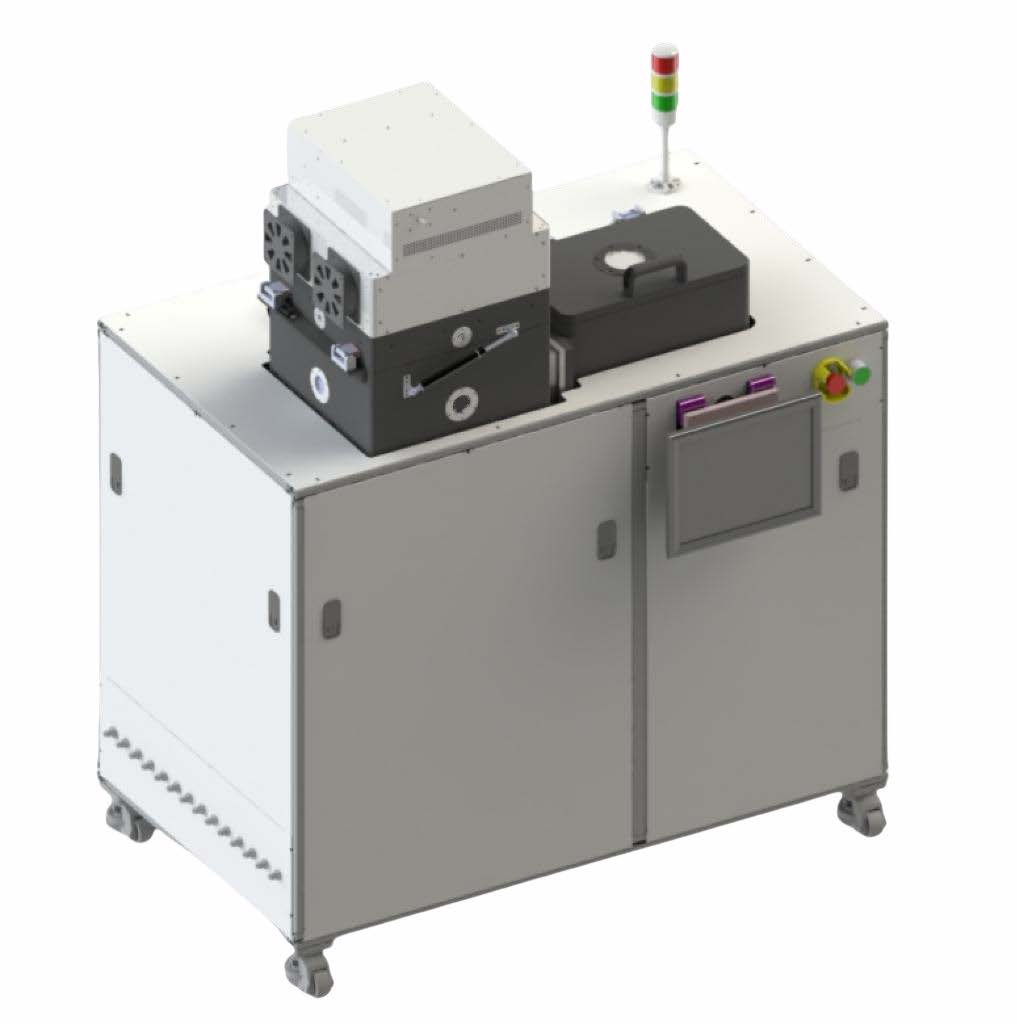
sales success best practice driven reactive ion etching roadmaps?
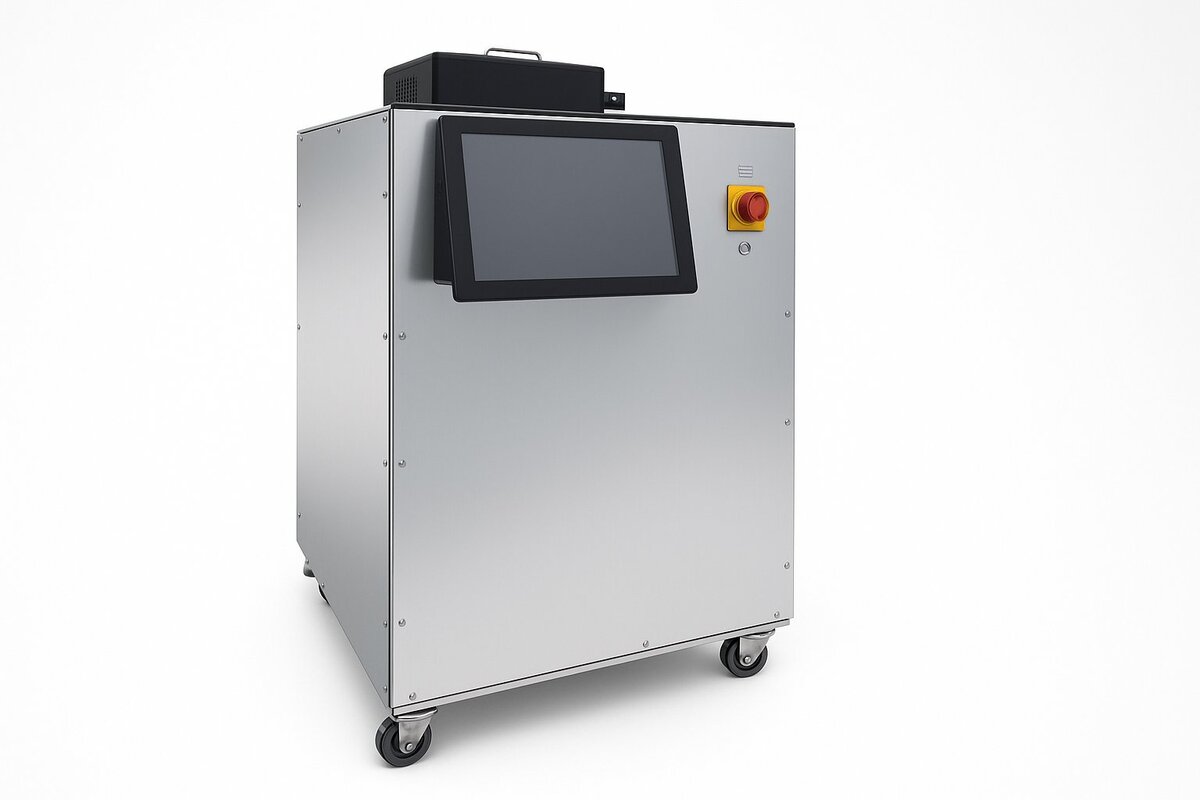
Central Ideas in charged particle etching throughout microchip processing. This method exploits ionized gas to selectively eliminate surface coatings for exact layout creation during microfabrication. By altering essential attributes like atmospheric content, plasma power, and ambient force, the etching pace, compound selectivity, and profile sharpness can be finely tuned. This plasma process has redefined microelectronic device creation, gauges, and latest computing tools.
- What's more, plasma etching is comprehensively studied for domains including optical science, health sciences, and materials engineering.
- Multiple categories of plasma etching stand out, including reactive plasma etching and induced plasma etching, each with individual strengths and disadvantages.
The challenging characteristics of plasma etching implore a complete grasp of the core natural laws and reactive chemistry. This review seeks to offer a exhaustive summary of plasma etching, comprising its essential facts, several versions, applications, advantages, complications, and anticipated innovations.
Advanced Riechert Etchers for Microfabrication
On the subject of precision engineering, Riechert etchers distinguish themselves as a pivotal equipment. These novel devices are noted for their impressive fine control, enabling the construction of sophisticated patterns at the atomic range. By employing state-of-the-art etching methods, Riechert etchers provide spot-on handling of the manufacturing sequence, producing superior outcomes.
Riechert technology serves a wide assortment of fields, such as nanodevices. From constructing microchips to designing lead-edge medical gadgets, these etchers constitute a key part in shaping the trajectory of technology . With devotion to quality, Riechert pioneers norms for exact microfabrication.
RIE Key Concepts and Utility
Plasma ion reaction etching functions as a indispensable method in device fabrication. RIE employs a integration of ionized components and reactive gases to strip materials with directed etching. This operation comprises bombarding the targeted material with active charged particles, which bond with the material to develop volatile reaction substances that are then cleared by a pressure installation.
RIE’s competence in anisotropic profiles makes it uniquely advantageous for producing elaborate formations in electronic circuits. Implementations of RIE comprise the manufacturing of transistors, chip designs, and optical systems. The technique can also fabricate submicron holes and vias for dense data storage.
- RIE-based techniques deliver tight command over pattern formation speeds and target specificity, enabling the production of precise geometries at narrow tolerances.
- A broad range of reactive gases can be used in RIE depending on the substrate and etching features sought.
- The directional quality of RIE etching permits the creation of steep edges, which is essential for certain device architectures.
Improving Plasma Anisotropy via ICP
Inductive plasma processing has emerged as a key technique for developing microelectronic devices, due to its first-rate capacity to achieve maximum anisotropic effects and process specificity. The fine regulation of process inputs, including electrical power, chemical mixes, and operating pressure, provides the delicate calibration of material ablation speeds and feature configurations. This adaptability provides the creation of detailed forms with minimal harm to nearby substances. By regulating these factors, ICP etching can safely lower undercutting, a standard complication in anisotropic etching methods.
Assessment of Etching Process Performance
Plasma-driven etching operations are commonly utilized in the semiconductor realm for building delicate patterns on chip surfaces. This analysis considers several plasma etching styles, including physical etching methods, to assess their capability for several compounds and targets. The study emphasizes critical factors like etch rate, selectivity, and surface morphology to provide a broad understanding of the strengths and weaknesses of each method.
Adjustment of Plasma Variables for Enhanced Efficiency
Obtaining optimal etching velocities in plasma protocols demands careful process alteration. Elements such as energy input, reactant proportioning, and atmospheric pressure materially govern the chemical reaction velocity. By carefully shaping these settings, it becomes realistic to elevate operational effectiveness.
Comprehending the Chemistry of Reactive Ion Etching
Plasma ion chemical etching is a basic process in miniature fabrication, which includes the deployment of reactive energized particles to accurately remove materials. The fundamental principle behind RIE is the dynamic interplay between these stimulated ions and the surface of the target substance. This exchange triggers molecular interactions that fragment and shed fragments from the material, producing a intended texture. Typically, the process uses a fusion of plasma gases, such as chlorine or fluorine, which turn into plasma ions within the plasma chamber. These ionized particles bombard the material surface, triggering the ablation reactions.Impact of RIE is determined by various variables, including the sort of material being etched, the preference of gas chemistries, and the system controls of the etching apparatus. Careful control over these elements is important for reaching premium etch outlines and lessening damage to proximate structures.
Precise Pattern Control in ICP Etching
Reaching exact and consistent patterns is fundamental for the quality of many microfabrication practices. In inductively coupled plasma (ICP) treatment systems, regulation of the etch form is pivotal in identifying proportions and layouts of sections being created. Important parameters that can be altered to shape the etch profile consist of flowing gases, plasma power, material heat, and the design of the electrode. By accurately changing these, etchers can obtain profiles that range from symmetrical to highly structured, dictated by particular application stipulations.
For instance, sharply controlled etching is regularly sought to create lengthy cuts or interconnect openings with clearly marked sidewalls. This is executed by utilizing considerable fluorine gas concentrations within plasma and sustaining controlled substrate temperatures. Conversely, non-directional etching constructs circular profiles owing to the process's three-dimensional character. This kind can be beneficial for large region cleaning or uniformity improvement.
Additionally, progressive etch profile techniques such as magnetron sputtering enable the development of exceedingly detailed and lengthy, constrained features. These strategies reliably call for alternating between treatment stages, using a amalgamation of gases and plasma conditions to obtain the specified profile.
Comprehending essential drivers that impact etch profile outcome in ICP etchers is essential for maximizing microfabrication operations and accomplishing the specified device performance.
Advanced Etching Procedures for Semiconductors
Ion-assisted plasma treatment is a fundamental practice used in semiconductor construction to sensitively reduce substances from a wafer interface. This operation implements high-energy plasma, a concoction of ionized gas particles, to strip focused regions of the wafer based on their substrate characteristics. Plasma etching enables several merits over other etching processes, including high vertical selectivity, which contributes to creating profound trenches and vias with reduced sidewall injuries. This fine control is fundamental for fabricating state-of-the-art semiconductor devices with multi-layered arrangements.
Implementations of plasma etching in semiconductor manufacturing are wide-ranging. It is deployed to develop transistors, capacitors, resistors, and other key components that construct the foundation of integrated circuits. Moreover, plasma etching plays a key role in lithography techniques, where it makes possible the meticulous organization of semiconductor material to map circuit arrangements. The accurate level of control provided by plasma etching makes it an indispensable tool for contemporary semiconductor fabrication.
Novel Developments in Etching
Advanced plasma treatments experiences ongoing advancement, driven by the surging push Reactive Ion Etching towards enhanced {accuracy|precision|performance